
www.waterplant.tech
22
'26
Written on Modified on
Jacobs upgrades biosolids digestion at San José wastewater facility
A $200 million program modernizes biosolids digesters at one of the largest advanced wastewater plants in the western US, adding FOG intake and seismic upgrades.
www.jacobs.com
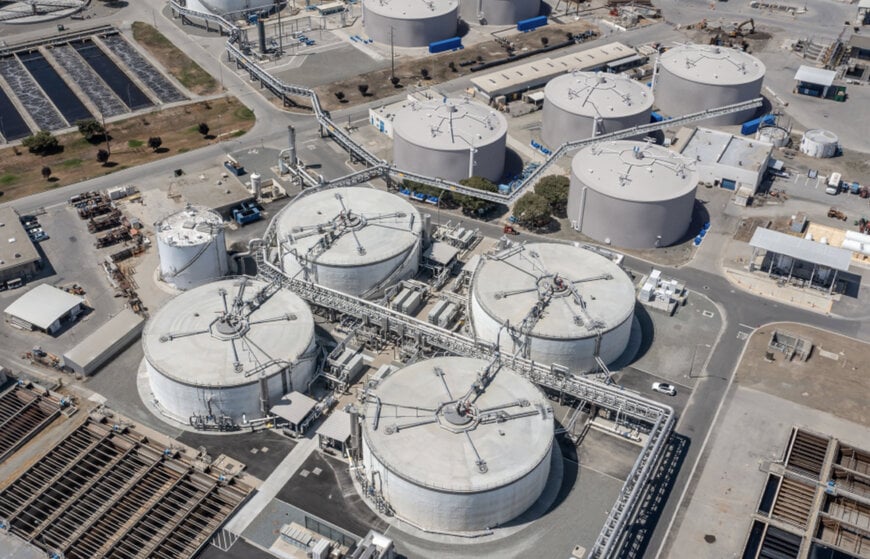
Large wastewater plants are increasingly upgrading biosolids systems to improve digestion performance, cut hauling volumes, and stabilize on-site energy generation. In California, Jacobs has been selected to modernize the San José–Santa Clara Regional Wastewater Facility through a $200 million progressive design-build project.
A $200 million focus on biosolids capacity and energy recovery
The San José–Santa Clara Regional Wastewater Facility is described as one of the largest advanced wastewater treatment plants in the western United States. The modernization program targets the biosolids treatment line, with objectives centered on long-term capacity, infrastructure resilience, and improved energy recovery from digestion.
Jacobs will deliver the upgrade using a progressive design-build model, with Walsh Construction and Structural Technologies supporting construction delivery as lead contracting partners.
Replacing aging digesters to improve biogas conversion
A core element of the scope is the replacement and modernization of aging mesophilic digesters. The upgraded digester configuration is intended to reduce the volume of biosolids sent offsite for disposal while improving how efficiently biogas is generated during digestion.
The recovered biogas feeds the facility’s existing cogeneration system, linking digestion performance directly to on-site renewable power production.
FOG receiving station adds high-strength organics to the digester feed
The project also adds a dedicated fats, oils, and grease (FOG) receiving station, enabling the plant to accept high-strength organic waste from local commercial sources. This stream is designed to be converted into biogas as part of the digestion process.
By increasing the biogas feedstock available for conversion, the facility is expected to reduce its dependence on natural gas and lower associated greenhouse gas emissions.
Microbial Hydrolysis Process considered for higher gas yield
Jacobs’ design approach includes potential integration of its Microbial Hydrolysis Process, which is described as increasing the availability of organic material for digestion. At scale, the process is expected to:
- increase biogas production by up to 36%
- reduce daily biosolids output by up to 74 wet tons
If implemented, these performance targets would materially affect both energy recovery yield and downstream solids handling/disposal requirements.
Seismic compliance and long-horizon load planning through 2077
Beyond digestion and feedstock upgrades, the biosolids infrastructure is being designed to meet seismic requirements and support projected population and load growth through 2077. The project builds on earlier facility upgrades and is intended to extend asset life while maintaining operational flexibility across biosolids processing and energy recovery operations.
www.jacobs.com
Seismic compliance and long-horizon load planning through 2077
Beyond digestion and feedstock upgrades, the biosolids infrastructure is being designed to meet seismic requirements and support projected population and load growth through 2077. The project builds on earlier facility upgrades and is intended to extend asset life while maintaining operational flexibility across biosolids processing and energy recovery operations.
www.jacobs.com
